Your 11 Month Old Baby: Development, Feeding and Behaviour

Keeping track of that little bundle of energy gets harder now. Your 11 month old baby will be busy exploring the household and everyone in it, demanding inspection of everything new. There will be times your baby is compelled to explore things that are not safe, like the television, hi-fi set and power sockets. They are too young to know this is dangerous, so be vigilant and patient. Cordon off risky areas and keep things simple with gates, safety latches and childproof cupboards.
Feeding and Sleeping
If you are still breastfeeding, there's no need to wean while both mother and baby are happy. If your baby has never accepted a bottle, offer fluids in a cup instead. If bottle feeding, continue offering formula until 12 months, as cow's milk is hard to digest and lacks the balance of nutrients they need. Follow-on formulas suit this age group as they contain the correct amount of iron.
Sleep patterns are more defined this month, with two fairly regular daytime naps. Morning naps are often easier to settle with fewer protests, while afternoon naps can vary depending on what the rest of the household is doing.
Behaviour
This is a highly oral stage, so don't think your baby is unusual if they want to suck and gnaw on furniture and everything close by. At 11 months your baby will have developed close relationships with their primary caregivers, and stranger danger is common. Your baby's trust must be earned over time and exposure, so don't push them onto other people. There are strong biological reasons for this behaviour, and asking them to be polite won't make a difference at this age.
Developmental Milestones
Your baby may be walking at 11 months but don't worry if they aren't close. Every baby develops in their own time, so try not to push them towards new skills or interpret physical skills as a sign of intelligence. How and when they move their body is not a sign of academic potential.
- Points at lots of things and is more easily understood through body language.
- Uses each hand equally and is fully ambidextrous; a dominant hand emerges closer to preschool age.
- Responds to simple commands such as "come here" or "get the ball".
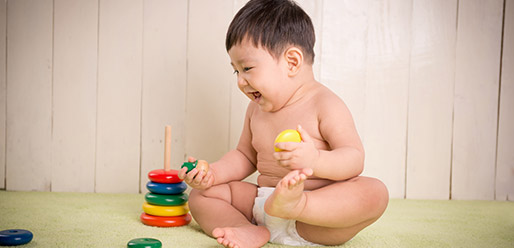
- Picks up small objects with a pincer grip and still puts most things in their mouth.
Growth
Your baby has grown so much in almost a year. If they can stand well, position them against a wall and pencil in their height over time for an objective idea of how tall they are growing. You could also draw around their hand with the date and age, or take a series of photos beside the same furniture for an annual record. Even though you may be tempted to discard used clothing, consider donating it, while keeping a few special items stored well.
Keeping Well
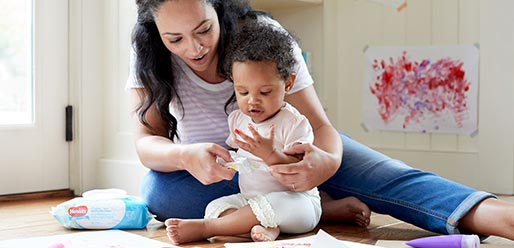
This is a good age to start leaving shoes outside the door, as your baby spends so much time on the floor. Get into the habit of washing your baby's hands before they eat, as plain soap and water with careful rinsing and drying is a major strategy in reducing infection. Avoid kissing your baby on the mouth or blowing on their food, as your oral bacteria differs from theirs. If you smoke, don't smoke near your baby, as passive smoke increases the risk of colds, ear and chest infections and asthma.
Play and Interaction
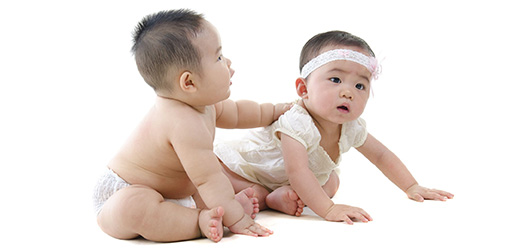
At 11 months your baby wants to venture away and explore, but will return frequently to "top up" their feelings of security. Watch them crawl away, look back for reassurance and then go off again. Sometimes a verbal "you're ok" and a smile is enough; other times they need a cuddle to feel safe. This isn't timidity; feeling safe is exactly what lets them push familiar boundaries. When in doubt about entertainment, supervised water play in a bath is wonderful, and a sandpit or swings help develop gross motor skills.
What About Mum?
Thinking about another baby? Now is the time to boost your nutritional intake and have a medical check-up beforehand, as there is no ideal gap between siblings. If you have already had another baby, you are particularly busy, so try not to overlook your own needs by eating well, resting when you can and accepting reasonable offers of help.
Your Emotions and Sleep
Still feeling utterly absorbed by the family's needs with little time for your own? This is common even a year on, so treat yourself how you'd like to be treated and consider yourself valuable and worthwhile. Working mothers often feel a conflict of roles and guilt, but guilt is a drain on energy, so save it for what really counts. For your sleep, follow your body's signals telling you it's time to rest and don't fight nature, as sleep plays a vital, restorative role.
Do you know that an average baby will need 1057 nappy changes in the first 6 months? Get exclusive promotions and free diaper samples by joining the Huggies Club now!
"The information contained in this site is for informational purposes only and is not intended to be a substitute for professional medical advice, diagnosis or treatment. Always seek the advice of your doctor or other qualified healthcare provider with any questions you may have regarding a medical condition. You should never delay seeking medical advice, disregard medical advice or discontinue medical treatment because of information on this site. To the extent permitted by law, Kimberly-Clark excludes liability or responsibility for claims, errors or omissions on this site, and may amend material at any time without notice."