Baby Sensitive Skin Care: 7 Tips to Protect Delicate Skin

How to Care for Your Baby's Delicate Skin
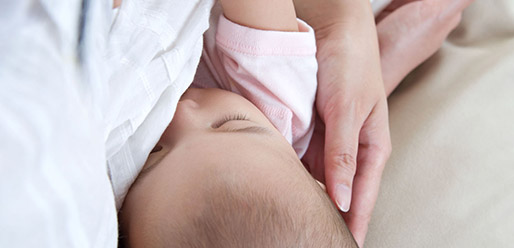
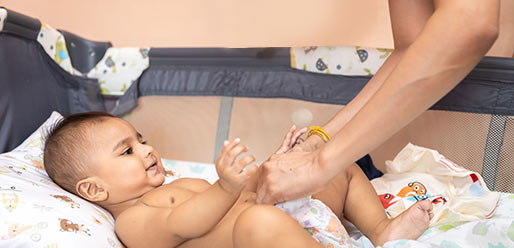
There's nothing you like more than cuddling your baby's super soft skin. Their sensitive skin means your touch is soothing and vital to their development, but it also makes them prone to rashes and irritation. With these 7 tips, you can protect your baby from common skin problems.
- Go easy on baths and keep them short.
- Choose gentle, baby-safe products.
- Moisturise daily, even from birth.
- Indulge your baby with gentle massages.
- Keep your baby out of direct sun.
- Be particular about laundry and skip fabric softener.
- Protect your baby from insect bites.
Go Easy on Baths
In your baby's first month, especially before the umbilical cord drops off, a daily sponge bath is more than enough to keep them clean. Once you start bathing your baby, 3-5 minutes in the tub is plenty. Any longer and their skin will dry out, so don't let your baby soak or play too long in soapy water.
Choose Baby-Safe Products
Look for gentle soaps and lotions without dyes, fragrances, parabens, deodorants, alcohol or other ingredients that could harm your baby's skin. Tear-free formulas are less likely to irritate their eyes. These gentle soaps won't lather as much as adult soap, so don't add more to create suds; a tiny amount is more than enough to clean your little one.
It's Never Too Early to Moisturise
Your baby's skin can dry out, so keep it moisturised. Use a baby-safe, non-toxic emollient cream or ointment immediately after a bath. Spread the cream on while your baby is still wet, then pat dry gently. In our humid climate, moisturising once a day should be enough, but go ahead and do it more often if you think your baby needs it.
Indulge Your Baby with Massages
Cuddles and kisses aren't just about showing affection, they're necessary for survival. Your touch triggers hormones, boosts immunity and helps fight disease. Babies who are massaged are also calmer, sleep better and cry less, so take the time to shower your baby with gentle caresses.
Stay Out of the Sun
It's good for both of you to get out for fresh air, but keep your baby out of direct sunlight for the first 6 months. Apply sunscreen to areas not covered by clothes, like their face, hands and feet, and use a hat or your stroller's sun shade to block out the sun.
Be Particular About Laundry
Always wash new clothes before dressing your baby in them. You don't need a special detergent, but you might switch the whole family to one free from perfumes and dyes. An irritant on your clothes or bedding could give your baby a rash. You should also skip the fabric softener for your baby's laundry.
Protect Your Baby from Bites
Dengue fever is always a concern, but even harmless mosquito bites can cause discomfort. Keep the bugs away with a gentle, baby-safe mosquito repellent. Stick to natural, made-for-babies products for your newborn. You can use a DEET-based repellent on babies older than 2 months, as long as the DEET concentration is not more than 30%.
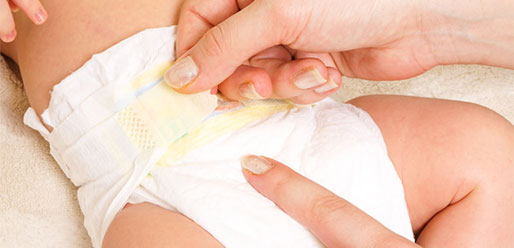
Even if you follow all these tips, your baby might still get the occasional rash. This is normal, and as long as it disappears after a few days you shouldn't worry. Do look out for signs of infection, such as cracked skin, bleeding and pus, and speak to your doctor immediately if your baby experiences any of them. Another common skin problem for babies is diaper rash.
Do you know that an average baby will need 1057 nappy changes in the first 6 months? Get exclusive promotions and free diaper samples by joining the Huggies Club now!
"The information contained in this site is for informational purposes only and is not intended to be a substitute for professional medical advice, diagnosis or treatment. Always seek the advice of your doctor or other qualified healthcare provider with any questions you may have regarding a medical condition. You should never delay seeking medical advice, disregard medical advice or discontinue medical treatment because of information on this site. To the extent permitted by law, Kimberly-Clark excludes liability or responsibility for claims, errors or omissions on this site, and may amend material at any time without notice."