Diaper Rash: Causes, Prevention and Treatment Guide
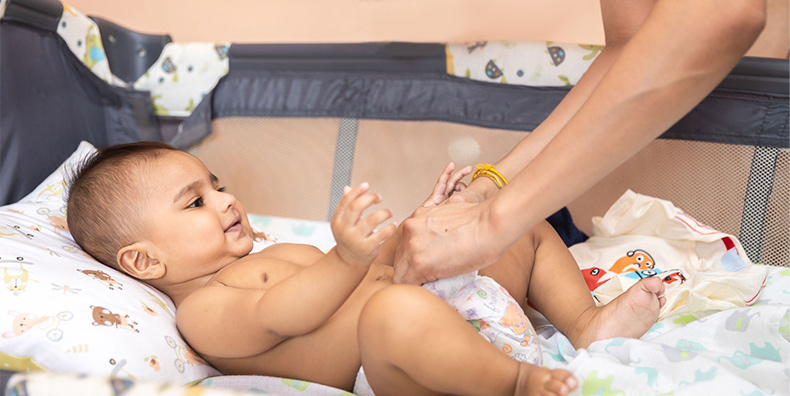
Your baby's skin is sensitive, especially on their bottom. The combination of tender skin and the warm, moist environment of a diapered bottom can lead to the red, irritated, bumpy symptoms of diaper rash, which is distressing for you and uncomfortable for baby. Since your baby will wear diapers for some time, it's important to learn how to care for their skin and prevent diaper rash from developing.
How to Prevent Diaper Rash
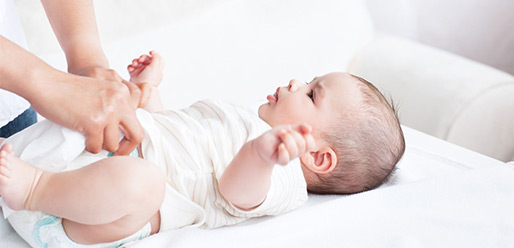
The best course of action is to prevent diaper rash from developing in the first place by keeping your baby's skin dry and clean.
- Change your baby's diaper often so wetness doesn't have a chance of setting in.
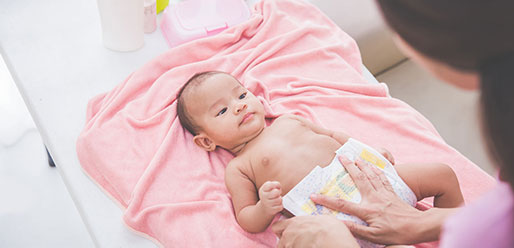
- Rinse their bottom with warm water, or use mild baby wipes without alcohol, or cotton balls soaked in warm water.
- Gently pat dry; never rub your baby's skin.
- Let your baby air dry and go without a diaper when possible.
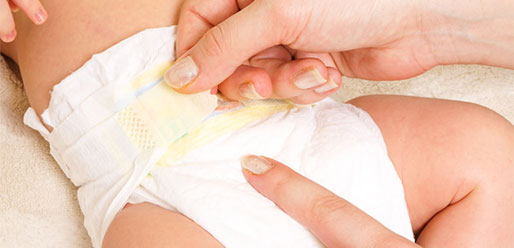
- Use the right size diaper that isn't too tight and is absorbent enough for their age.
- Eliminate potential allergens like added fragrance and use simple zinc-oxide based creams as a barrier.
- If your baby is on antibiotics, ask your doctor about a probiotic supplement to help prevent a yeast infection.
Causes of Diaper Rash
Changes in your baby's diet, or yours if you are breastfeeding, can lead to diaper rash from the different content in your baby's stools. Diaper rash is often triggered by the introduction of solid foods, which can lead to increased stools. Keep a food diary as you introduce new foods one at a time, and look for signs of rash within three days of each new food. Antibiotics, new skin products and prolonged time between diaper changes can also cause diaper rash to form.
How to Treat Diaper Rash
If diaper rash happens, the best treatment is to start with the preventative measures and keep your baby's skin as dry as possible. If over-the-counter creams don't help and the skin does not clear up within a few days, consult your doctor, who may prescribe an anti-fungal or hydrocortisone cream. Never apply creams with steroids without consulting your doctor first. Following preventative measures that keep moisture and irritants to a minimum will help keep the rash at bay, but diaper rash happens even to the most vigilant parents. Treat it right away and your baby's skin will be clear in no time.
Do you know that an average baby will need 1057 nappy changes in the first 6 months? Get exclusive promotions and free diaper samples by joining the Huggies Club now!
"The information contained in this site is for informational purposes only and is not intended to be a substitute for professional medical advice, diagnosis or treatment. Always seek the advice of your doctor or other qualified healthcare provider with any questions you may have regarding a medical condition. You should never delay seeking medical advice, disregard medical advice or discontinue medical treatment because of information on this site. To the extent permitted by law, Kimberly-Clark excludes liability or responsibility for claims, errors or omissions on this site, and may amend material at any time without notice."