10-Month-Old Baby: Milestones, Feeding and Sleep Guide
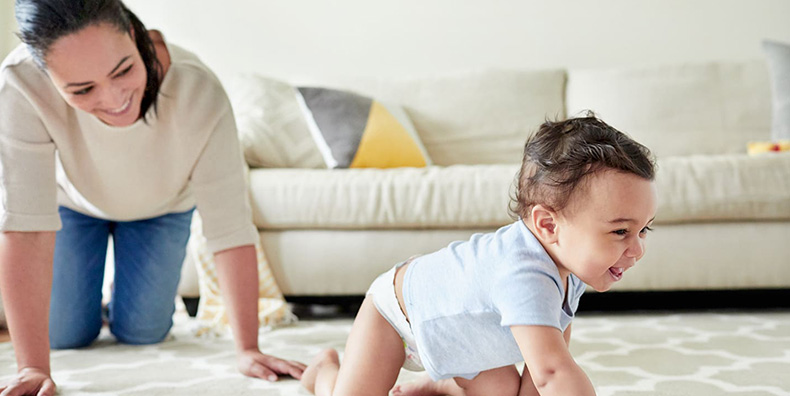
Your 10 month old baby is gaining independence as they learn to use their body, so expect some spills and tumbles. Make sure play areas are safe and child friendly, place precious items up high and secure heavy objects. A safe environment matters far more than appearances.
Feeding and Sleeping at 10 Months
At ten months, many babies reduce from 3 to 2 daytime naps, with the morning nap often around 9–10am. Stay calm and follow the same pre-settling routine for day naps and nighttime sleep.
- Tired signs include yawning, grizzling, wanting more cuddles or falling asleep during play.
- 10 month olds can be vocal and protest that they want to stay up.
- Milk is still important, but solid foods are equally vital now.
- Offer a diverse variety of home-cooked foods, which taste better and have a lumpier consistency than processed foods.
Behaviour at 10 Months
This is a social age, so watch your baby's responses to other people; they scan a whole face with their eyes. Your baby's brain is at its most receptive now and is moulded by their experiences. You can't change their personality or temperament, but you can support them to feel secure and safe.
If your baby isn't keen on playing with other babies, don't worry. They are egocentric at this age and incapable of considering another baby's feelings. Keep a close eye on them with other children and animals, as they're too young to know what behaviour is safe.
Developmental Milestones at 10 Months
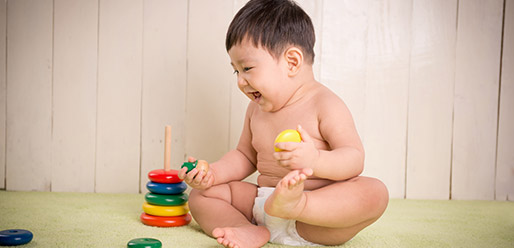
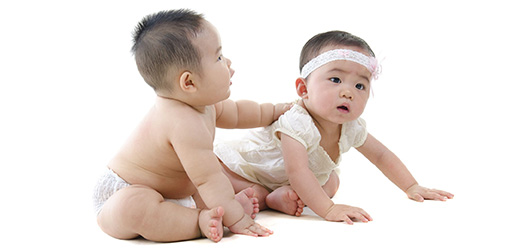
- Crawling well and getting around in their own unique way. Walkers are no longer recommended as they limit crawling and are a safety hazard.
- May pull themselves up to stand or cruise around the furniture.
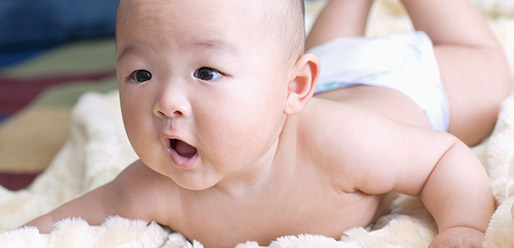
- Can get into a sitting position from their tummy and rotate their body with dexterity.
- Learning to say mama, dada and papa. Teach them to wave bye bye and play peek-a-boo and chasing games.
Growth at 10 Months
Your baby will be getting close to tripling their birth weight by now, a common event close to 12 months. Babies grow at their own rate, with genetics a major influence, but environment and food intake also play a major role. If you're worried your baby isn't eating enough to grow, have them reviewed by your pediatrician or GP; occasionally specialist pediatric nutrition advice is warranted, especially when a baby is failing to thrive.
Keeping Your 10-Month-Old Well
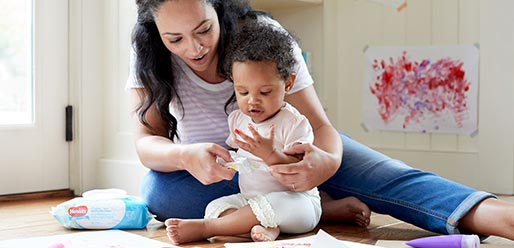
- It's impossible to keep your baby clean at 10 months; get into the habit of taking their pram everywhere.
- Assume everything in the vicinity will find its way into your baby's mouth.
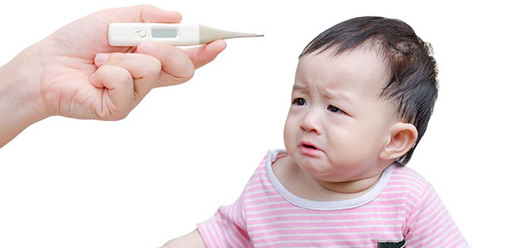
- Be cautious with cleaning products, pesticides, fertilizers and household products, as residues can pose a health risk.
Play and Interaction
This is the month to redesign your household to create safe zones. Gates across doorways keep your baby out of harm's way and protect older children's space. Your baby will want to join in what everyone is doing, and there's great value when children of different ages interact. Babies are skillful at drawing attention to themselves and have been described as "sensory traps".
What About Mum?
By 10 months there should be more structure to your day. If you still struggle to get through each day, have a thorough check-up with your GP, as genuine medical problems can be disguised by extreme tiredness. By ten months you should feel a return of your energy levels. Thyroid, endocrine and nutritional deficiency problems can all impact energy.
Your Emotions
If you're becoming resentful about doing most of the housework, you're not alone. Most women say they do the majority of housework and child care even after returning to paid employment. Speak honestly with your partner about a fair and equitable arrangement.
Your Sleep Needs
- Don't be too quick to jump out of bed when your baby cries overnight; if they're fed, safe and comfortable, hold back so they can self-soothe.
- Don't neglect your own comfort; change your bed linen, sort your clothing and declutter your room.
- Create a soothing environment to retreat to at the end of the day, even if the rest of the house is messy.
Do you know that an average baby will need 1057 nappy changes in the first 6 months? Get exclusive promotions and free diaper samples by joining the Huggies Club now!
"The information contained in this site is for informational purposes only and is not intended to be a substitute for professional medical advice, diagnosis or treatment. Always seek the advice of your doctor or other qualified healthcare provider with any questions you may have regarding a medical condition. You should never delay seeking medical advice, disregard medical advice or discontinue medical treatment because of information on this site. To the extent permitted by law, Kimberly-Clark excludes liability or responsibility for claims, errors or omissions on this site, and may amend material at any time without notice."